
Nearly every route on this site begins or ends in Chengdu, and most begin and end there: the mammal tour’s Day 00 is literally called “Arrive in Chengdu”, the group trek climbs west from it on the morning of Day 01, and the in-depth trek finishes on its road east with an afternoon arrival. One route starts higher — the snow leopard week lands at Yushu — and even that connects through the same gateway. The city is not a stop on these trips. It is the hinge they swing on.
The gate every route uses.
Chengdu works as a gateway because the geometry is kind: the expressway and the high plateau sit in a straight line west, and the drives that look long on the map are a morning on new road — four hours to Rilong, three to Kangding, six to Xinduqiao. That is why so many first days are titled like bus timetables: “Up the new highway, then up a pass.” The transport guide explains how the trains and drivers connect the rest of the country to this door.
The first night as a rung.
Chengdu sits at about 500 metres, which makes it the bottom of the sleeping ladder every plateau route climbs. Using it well is simple: land a day early, sleep a full night, start the drive rested. The routes that need it most build the next rungs in explicitly — Kangding at 2,600, Rilong at 3,100, Xinduqiao at 3,400 — but the ladder only works if the bottom rung is not your red-eye. The altitude guide is blunt about this: the acclimatisation you can buy is time, and it is cheapest in a city with good food.
Captive and wild: use both halves.
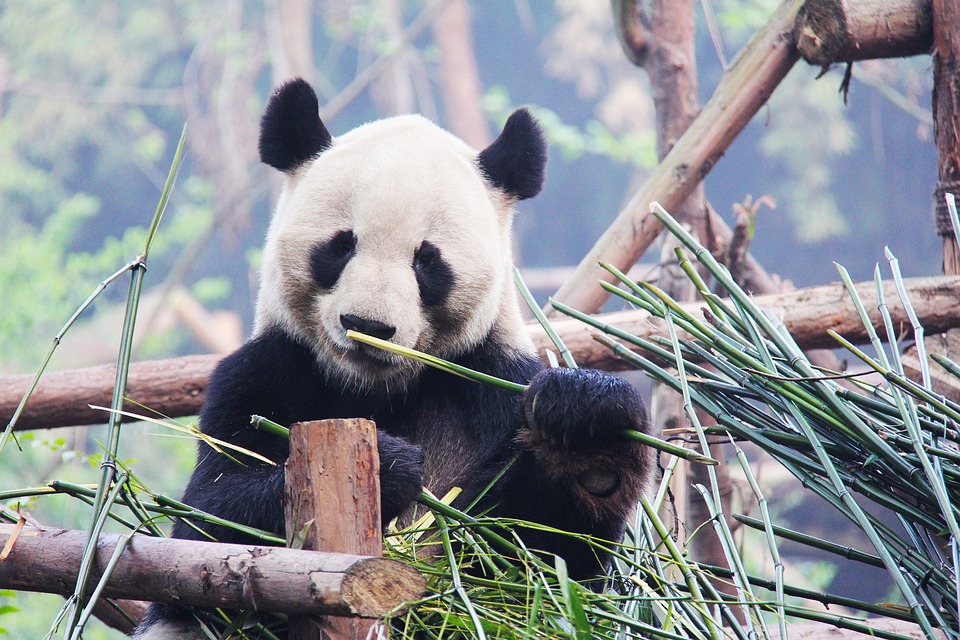
Chengdu’s panda base and the reserves on our routes are not rivals; they answer different questions. The base is where you will see pandas — close, feeding, guaranteed, and essential context for what a wild population survives against. The reserves are where you might find the signs of the real thing: the mammal tour’s final day visits the base in the morning precisely because the week in the forests has taught you what you are looking at. Our panda realism page says the harder truth about the wild half: the tracks are High odds, the animal is Rare, and that is what a healthy forest looks like.
The last-evening buffer.
The drives home are long for a reason, and the route pages schedule their final days around it: the group trek calls Day 09 “the long road east”, the in-depth trek reaches Chengdu in the afternoon, the Yala trek ends at whichever airport suits the flight. The practical rule that follows: book homeward flights for the evening of the last day or the next morning, not the early afternoon of a day that still has a pass tunnel in it. One extra night in the city is cheaper than a missed connection, and it puts the hotpot at the end of the trip instead of the aeroplane meal.
One real day in the city.
If the schedule gives you the day, spend it on the city’s own register — the teahouse afternoons, the wide alleyways, the river parks — because it is the last low, soft, electric day you will have before the plateau resets the clock. Our Chengdu guide does that day properly. Then the west begins: the first tunnel under the Balang range, and the valley on the other side.
Gateway logic and day titles checked 7 November 2026 against the route pages.
Start from the door?
The Sichuan mammal tour, 8 days
Our Chengdu destination guide