
Our departure calendars make the year look simple: the group trek runs April to November, the mammal tour runs in the settled months, the high treks fill the summer. Then the calendars stop and it looks like nothing happens until spring. The truth is more interesting. The quiet months are when the low country — the forests, the monkey valleys, the tea-horse towns — does its best work, and a handful of routes simply never stop.
The year splits in two.
The line is altitude, as always. Above roughly 4,000 metres, November to March is snow season: the camping treks close, Yading’s upper park shuts from mid-November to mid-April no matter what the weather down the road is doing, and the month-by-month calendar says so row by row. Below the snow line, the reserves and valleys keep working — colder, clearer, and emptier than any month in the season.
What actually runs.
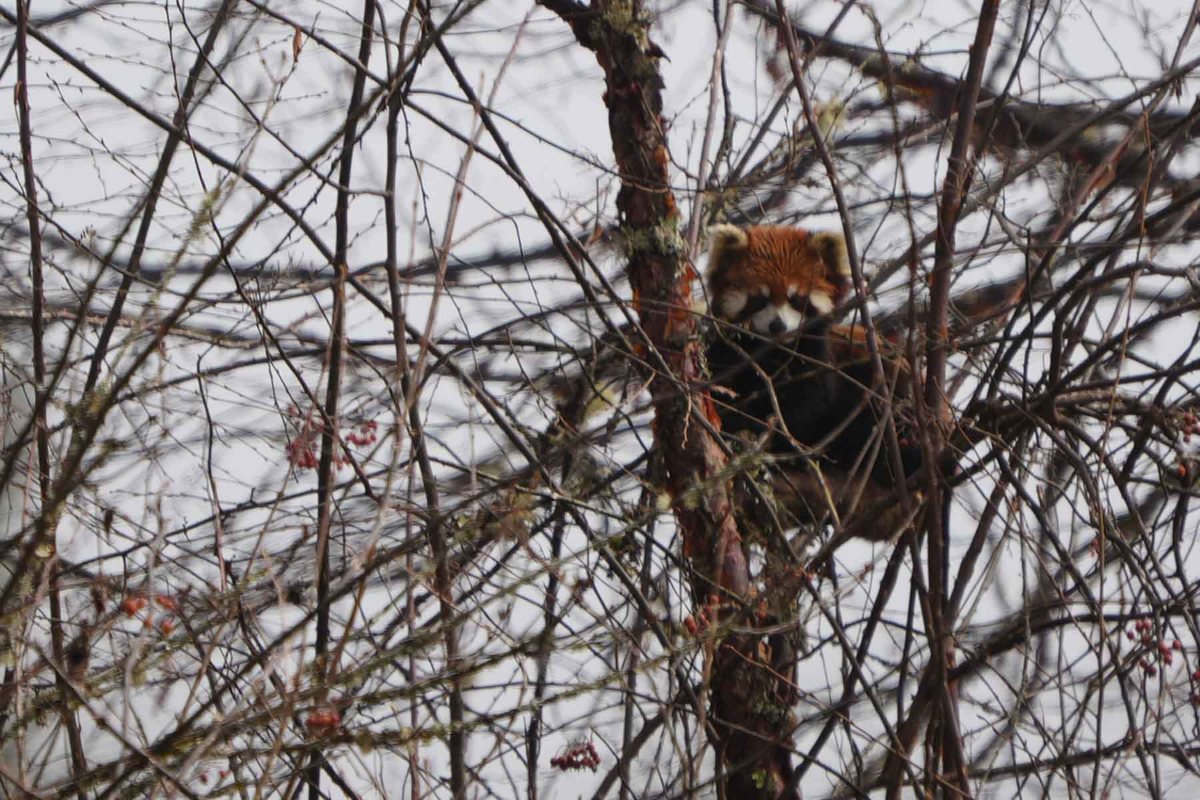
Three honest winter answers. First, the golden monkey tour, whose season runs late August to March — and improves as it goes, because winter brings the monkeys lower down the valleys, which shortens the walk and strips the foliage off the photography. Second, the Minya Konka panorama hike, the one route in the collection graded as running all year: beds the whole way, the high-line walks chosen by the day’s weather, and the west-face views at their crispest in cold, clear air. Third, the forest reserves — Labahe, Tangjiahe, Wawushan — where the winter work is private, low, and quiet in a way the summer never is.
What closes, and why we say so plainly.
The honest list: the group trek’s last departure lands on 21 November; the camping treks and the Yala and Riwuqi routes stop for the snow season; Yading’s upper gates close from mid-November; the snow leopard week’s published departures sit in the warm months. Where a route page says it runs all year, that is what it says; where a calendar stops, we let it stop — a pass in February is not an adventure we sell, and the grading table keeps each route’s real months on the record.
Why winter work can be the best work.
The winter forests have three advantages the season never advertises. The animals reorganise: herds descend, monkeys drop below the snow line, and the visibility that foliage steals all summer is handed back. The light runs all day at a low, photographic angle — the plateau clock softens into an all-day event. And the crowds are simply elsewhere, which on a hide-and-wait trip is not a comfort but a method: quiet trails are productive trails. On the plateau itself, the winter rule repeats at altitude — snow sits on the ridges, the blue sheep come down, and the cats follow them; the difference is that up there we let the published calendar do the deciding.
Planning the quiet half.
Two practical frames. If the trip is the point, build the winter week around the monkey valleys and one reserve — the two-day monkey trip plus the red panda forests makes a five-day winter wildlife line that no summer itinerary can match for odds per day. If the dates are the point — a February slot that cannot move — then Chengdu, the tea country and the low forests carry the trip, and the plateau waits: the combination logic works in reverse, forest week now, pass week in the season. And if the winter appetite is really for snow and cities, our Harbin guide and skiing page cover the China that winters properly.
Season windows and closure dates checked 7 November 2026 against the route pages and the season calendar.
Plan the cold half?
The golden monkey tour, 2 days, to March
The panorama hike, 5 days, all year